
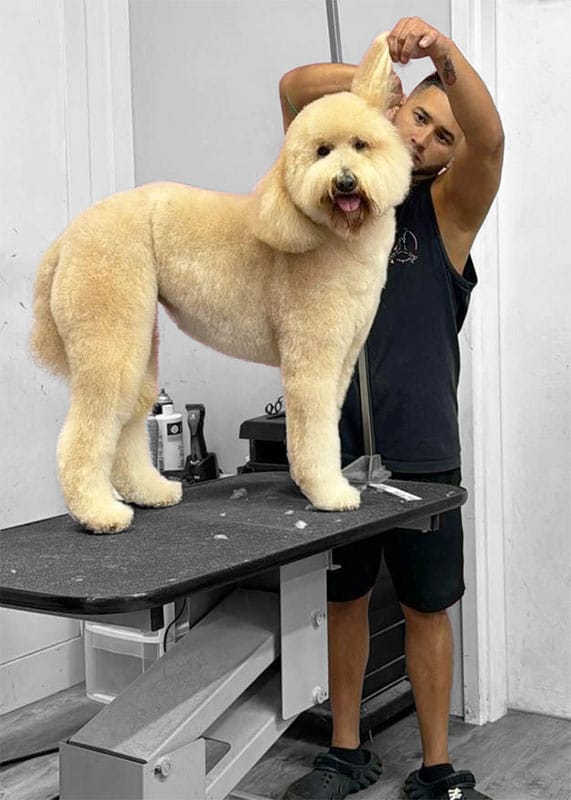
One of the most common questions I get after 16 years of professional dog grooming is simple: “How often should I groom my dog?” The answer isn’t one-size-fits-all. Your dog’s grooming frequency depends on their breed, coat type, lifestyle, and individual needs. In this comprehensive guide, I’ll break down exactly how often different breeds need grooming and why regular professional care matters more than you might think.
Before we dive into breed-specific schedules, let's talk about why grooming frequency matters. Regular grooming isn't just about keeping your dog looking good - it's essential for their health and comfort.
During my years grooming dogs in traditional salons and now with mobile grooming in Orlando, I've seen firsthand what happens when grooming gets neglected. Matted fur can pull on skin and cause pain. Overgrown nails affect posture and joint health. Dirty ears lead to infections. Regular grooming prevents these problems before they start.
Consistent grooming schedules make each session easier on your dog, help maintain coat health, and allow your groomer to spot potential health issues early - like skin problems, lumps, or ear infections.
The biggest factor in determining grooming frequency is your dog's coat type. Here's what you need to know:
What they need: While short-haired dogs don't need haircuts, they absolutely benefit from regular professional baths, nail trims, and ear cleaning.
Why this schedule: Short coats still shed (sometimes heavily!), accumulate dirt, and produce natural oils that need managing. Regular bathing keeps skin healthy and significantly reduces shedding in your home.
Pro tip from 16 years of experience: Many people think short-haired dogs don't need professional grooming. This is one of the biggest misconceptions I encounter. Labs and Beagles, for example, shed constantly and benefit immensely from de-shedding treatments every 4-6 weeks.

What they need: Regular brushing, de-shedding treatments, bathing, nail trims, and sanitary trims. Many benefit from seasonal "blow-outs" during heavy shedding periods.
Why this schedule: Double-coated breeds shed year-round with intense seasonal "coat blowing" twice a year. Without regular grooming, their undercoat mats close to the skin, which is painful and unhealthy.
Seasonal considerations: During spring and fall shedding seasons, these breeds often need grooming every 3-4 weeks. In winter and summer, you can extend to 6-8 weeks if you're brushing regularly at home.

What they need: Full grooming including bath, haircut, nail trim, ear cleaning, and sometimes teeth brushing. These breeds require the most maintenance.
Why this schedule: Long, silky coats mat easily and require frequent trims to stay manageable. Going longer than 6 weeks often means dealing with painful mats that take extra time (and money) to remove.
At-home maintenance: Between professional grooming appointments, brush thoroughly 3-4 times per week minimum. Daily is even better for show-length coats.
What they need: Complete grooming with haircut, bath, brush-out, nail trim, and ear cleaning. Many owners keep these breeds in shorter "puppy cuts" for easier maintenance.
Why this schedule: Curly coats don't shed like other breeds, but they mat incredibly easily. The hair continues growing, so regular haircuts are essential. I work with doodles constantly in my Orlando mobile grooming business, and 6-8 weeks is the sweet spot.
Special note on doodles: Despite being marketed as "low maintenance," doodles actually require significant grooming. Their mixed coat texture (combining retriever and poodle genetics) mats faster than pure poodles. Every 6-8 weeks is non-negotiable unless you want to deal with severe matting.

I recommend starting professional grooming between 12-16 weeks old, even if your puppy doesn't need a full haircut yet. Early positive experiences with grooming set the foundation for a lifetime of stress-free appointments.
For puppies, start with "grooming introduction" appointments every 3-4 weeks. These shorter sessions get them comfortable with the process: being handled, standing on the grooming table, the sound of clippers and dryers, and nail trimming.
The earlier you start, the easier grooming will be for your dog's entire life. I've seen the difference between dogs who started grooming at 3 months versus 3 years - it's dramatic. The young starters are calm, cooperative, and actually seem to enjoy their spa time.
Older dogs may need more frequent but shorter grooming sessions. As dogs age, they often develop arthritis or mobility issues that make long grooming appointments uncomfortable. I adjust my approach for senior dogs, taking breaks and working at their pace.
However, senior dogs still need regular grooming - sometimes even more than younger dogs. Older dogs may have trouble grooming themselves, leading to matted fur or overgrown nails that affect their already-compromised mobility.
Lifestyle matters. Dogs who spend lots of time outdoors, swim regularly, or visit dog parks may need more frequent baths. Conversely, primarily indoor dogs who aren't very active might stretch their grooming appointments slightly longer.
That said, even indoor dogs need regular nail trims (nails don't wear down naturally on carpet), ear cleaning, and coat maintenance. Don't skip grooming just because your dog "isn't dirty."
Between regular appointments, watch for these signs that your dog needs grooming sooner rather than later:
I get it - professional grooming is an expense. But here's what I've learned after grooming over 41,000 dogs: regular grooming is actually more affordable than sporadic grooming.
Here's why:
Matted coats cost more to groom. Severe matting requires extra time, special tools, and sometimes multiple sessions. Many groomers (myself included) charge extra for de-matting because it's labor-intensive and stressful for the dog. A dog groomed every 8 weeks is much easier (and cheaper) to groom than one who comes in twice a year with severe mats.
Health problems are expensive. Regular grooming catches issues early. I've spotted skin infections, lumps, ear infections, and dental problems during routine grooming that owners hadn't noticed. Early detection means easier, less expensive treatment.
Your furniture and sanity matter. Regular professional de-shedding treatments dramatically reduce the amount of hair in your home. Less vacuuming, fewer hairballs, and cleaner furniture have real value.
As Orlando’s mobile dog groomer with 16 years of experience, I bring professional grooming directly to your driveway. No stressful car rides, no kennel waiting – just quality one-on-one care for your dog.
Now that you understand the general guidelines, here's how to create the perfect schedule for your specific dog:
Step 1: Identify your dog's coat type using the categories above.
Step 2: Start with the recommended frequency for that coat type.
Step 3: Adjust based on lifestyle. Add a week or two if your dog is primarily indoors and inactive. Reduce by a week if they're very active or outdoor-focused.
Step 4: Commit to the schedule. Consistency is key. Regular appointments every 6 weeks work better than sporadic appointments every 3 months.
Step 5: Communicate with your groomer. A good groomer (like me!) will tell you if your dog needs more or less frequent appointments based on coat condition.
Book your next appointment before leaving your current one. This ensures you maintain the right frequency and secures your preferred time slot. I always encourage my clients to pre-book their next 2-3 appointments for this reason.
Professional grooming doesn't replace at-home maintenance - it supplements it. Between professional appointments, you should:
At-home maintenance extends the results of professional grooming and keeps your dog comfortable between appointments. But it doesn't replace professional care - specialized equipment, experience, and technique matter, especially for nail trimming, ear cleaning, and haircuts.
After 16 years in traditional salons, I switched to mobile grooming because it's simply better for maintaining regular schedules. Here's why:
It's more convenient. No driving across town means you're more likely to keep appointments. I come to you, so grooming fits into your schedule instead of disrupting it.
Dogs stay calmer. The one-on-one attention in a familiar environment (your driveway) reduces stress. Calmer dogs mean better grooming results and a more positive experience that makes them cooperative for future appointments.
Consistent care. With mobile grooming, you work with the same groomer (me!) every time. I get to know your dog's personality, coat, and specific needs, providing better care with each appointment.
If you're in the Orlando area, I'd love to help establish the perfect grooming schedule for your dog. You can learn more about my mobile grooming services or book an appointment directly.
The single most important factor in dog grooming isn't finding the "perfect" schedule - it's being consistent with whatever schedule you choose. A dog groomed every 8 weeks like clockwork will have a healthier coat, better behavior during grooming, and fewer problems than a dog groomed "whenever they seem to need it."
Regular grooming is an investment in your dog's health, comfort, and quality of life. After grooming over 41,000 dogs in my career, I can tell you with certainty: the dogs who come in on regular schedules are happier, healthier, and easier to groom. Their owners stress less about mats, shedding, and "doggy smell."
So take a look at your dog right now. When was their last professional grooming? If you can't remember, or if it's been longer than the recommendations in this guide, it's time to book an appointment.
With 16 years of professional grooming experience, I can assess your dog’s specific needs and recommend the perfect grooming frequency. Serving Orlando and surrounding areas with convenient mobile grooming.
Or call/text: (352) 557-1111
Steven has been professionally grooming dogs for 16 years, with over 41,000 dogs groomed. He now operates Steven The Groomer, bringing mobile dog grooming services to Orlando and surrounding areas. Learn more about Steven.